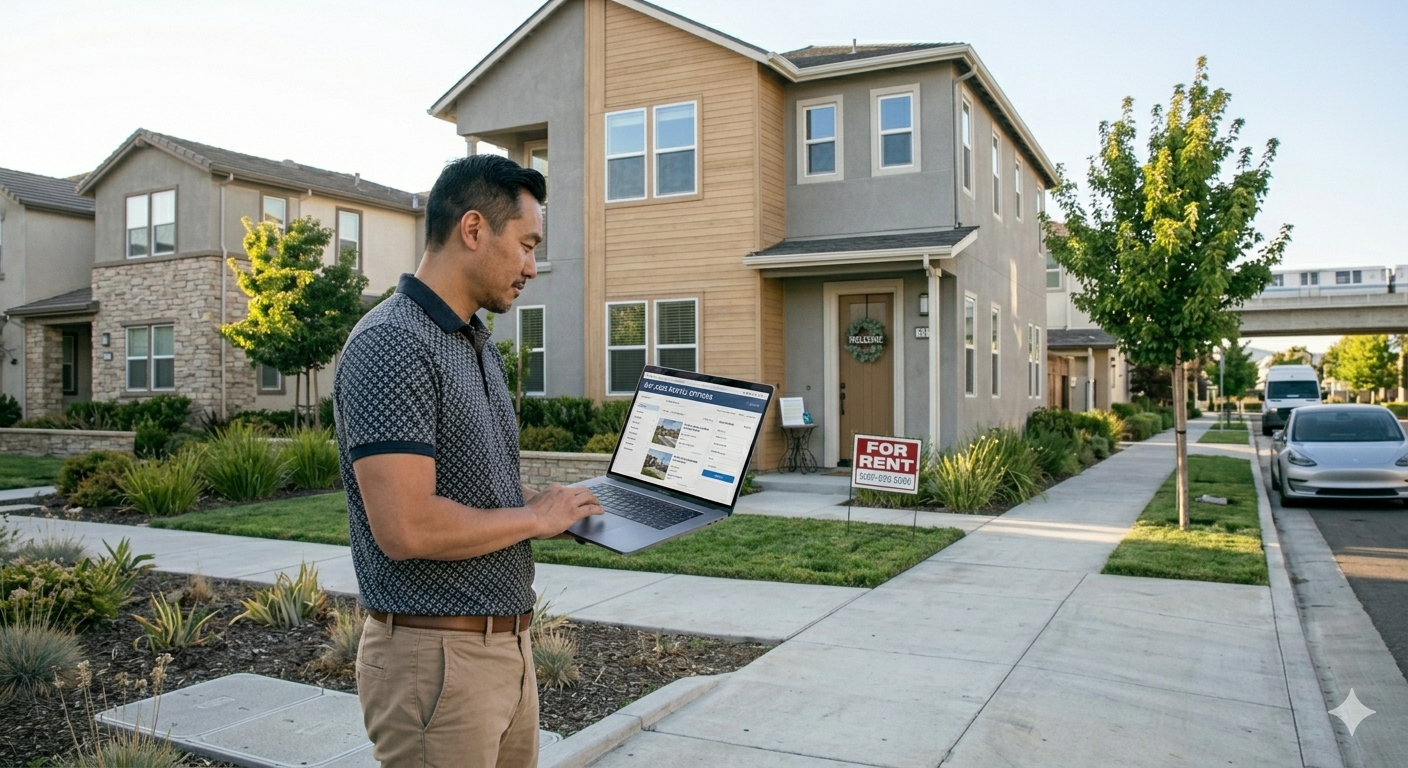
Short-Term vs Long-Term Rentals in the Bay Area
The Bay Area rental market offers opportunities for both short-term and long-term rental strategies. Whether you’re a property owner looking to maximize returns or a renter searching for the right housing solution, understanding the differences between these options can help you make smarter decisions.
Each rental strategy comes with its own benefits, challenges, and financial considerations. The right choice depends on your goals, budget, and lifestyle needs.
At Bay Rentals, we help property owners and renters navigate the Bay Area rental market and choose solutions that align with their objectives.
Understanding Rental Strategies
Before deciding which option is best, it’s important to understand what each rental type involves.
Short-Term Rentals
Typically rented for:
- A few days
- A few weeks
- Several months
Often used by:
- Business travelers
- Temporary workers
- Relocating families
- Vacationers
Long-Term Rentals
Typically leased for:
- Six months
- One year
- Multiple years
Often used by:
- Families
- Working professionals
- Students
- Permanent residents
1. Cost Comparison: Which Option Generates More Income?

One of the biggest factors property owners consider is profitability.
Short-Term Rentals
Advantages:
- Higher nightly rates
- Potential for increased revenue during peak seasons
- Ability to adjust pricing frequently
Challenges:
- More frequent vacancies
- Higher marketing costs
- Cleaning and turnover expenses
- Greater management demands
Long-Term Rentals
Advantages:
- Predictable monthly income
- Lower turnover costs
- Reduced vacancy risk
- Easier budgeting
Challenges:
- Less flexibility to raise rent
- Revenue remains fixed during lease periods
Bay Area Insight:
In popular Bay Area locations, short-term rentals may generate higher gross revenue, but long-term rentals often provide more stable and predictable cash flow.
2. Flexibility: Which Rental Strategy Fits Your Goals?
Flexibility is another important consideration.
Short-Term Rentals
Property owners can:
- Adjust pricing frequently
- Block dates for personal use
- Change rental terms more easily
Renters benefit from:
- Temporary housing options
- No long-term commitment
- Flexible move-out dates
Long-Term Rentals
Property owners gain:
- Consistent occupancy
- Less frequent tenant turnover
Renters gain:
- Housing stability
- Predictable monthly expenses
- Greater sense of home and community
Bay Area Rental Tip:
Long-term leases are often preferred in family-oriented neighborhoods where stability is highly valued.
3. Tenant Stability: Why It Matters

Tenant stability affects both income consistency and property condition.
Short-Term Rentals
Because guests come and go frequently:
- Wear and tear may increase
- More management oversight is required
- Tenant relationships are limited
Long-Term Rentals
Reliable long-term tenants often:
- Treat the property more like home
- Build positive relationships with landlords
- Reduce vacancy periods
Bay Area Property Management Insight:
Tenant retention is often one of the most effective ways to reduce costs and improve long-term profitability.
Pro Tip:
A quality long-term tenant can be more valuable than maximizing short-term rental income.
4. Investment Returns: Evaluating Long-Term Success
Both strategies can produce strong returns, but they do so differently.
Short-Term Rental Returns
Potential benefits:
- Higher revenue per night
- Increased seasonal income
- Greater pricing control
Potential risks:
- Income fluctuations
- Increased operating costs
- Market seasonality
Long-Term Rental Returns
Potential benefits:
- Consistent monthly cash flow
- Lower management expenses
- Easier financing projections
Potential risks:
- Rent increases may be limited
- Longer commitment to tenants
Bay Area Investment Tip:
Property owners should evaluate net income, not just gross income, when comparing rental strategies.
5. Legal Considerations in the Bay Area

Local regulations play a significant role in rental strategy decisions.
Short-Term Rentals
Property owners may need to consider:
- Local city regulations
- Registration requirements
- Occupancy limits
- Tax obligations
- HOA restrictions
Long-Term Rentals
Property owners should understand:
- California tenant laws
- Lease requirements
- Rent regulations
- Security deposit rules
- Fair housing compliance
Bay Area Insight:
Regulations vary by city, making it essential to understand local requirements before choosing a rental strategy.
Pro Tip:
Consult legal or property management professionals before launching a short-term rental operation.
Which Rental Strategy Is Right for You?
Consider Short-Term Rentals If:
✔ You want flexibility
✔ You can actively manage the property
✔ Your location attracts temporary visitors
✔ You’re comfortable with fluctuating income
Consider Long-Term Rentals If:
✔ You want stable cash flow
✔ You prefer lower management demands
✔ You value tenant retention
✔ You want predictable occupancy
Final Thoughts: Finding the Best Rental Solution in the Bay Area
There is no one-size-fits-all answer when it comes to choosing between short-term and long-term rentals.
The best strategy depends on:
- Your financial goals
- Desired level of involvement
- Property location
- Risk tolerance
- Local regulations
By carefully evaluating costs, flexibility, tenant stability, investment returns, and legal considerations, you can make a more informed decision for your property or housing needs.
At Bay Rentals, we help property owners and renters explore options and identify the best rental solutions throughout the Bay Area.
Bay Rentals Helps You Choose the Best Rental Solution
Whether you’re considering a short-term rental strategy, a long-term lease, or searching for your next home, Bay Rentals can help you make the right choice.
Contact Bay Rentals today to learn more about rental opportunities and property management solutions in the Bay Area.