
Signing a lease is one of the most important steps in renting a home—but many renters make the mistake of rushing through it without fully understanding what they’re agreeing to.
In the competitive Bay Area rental market, where pricing, tenant protections, and rental demand can vary widely, knowing how to read and evaluate a lease can save you from expensive surprises, legal issues, and unnecessary stress.
At Bay Rentals, we believe informed renters make smarter decisions. This lease agreement guide for Bay Area renters breaks down what you need to know before signing your next rental contract.
Why Lease Agreements Matter
A lease agreement is a legally binding contract between you and your landlord. It outlines your rights, responsibilities, costs, and rules for living in the property.
Understanding your lease helps you:
✔ Avoid hidden fees
✔ Protect your security deposit
✔ Prevent legal disputes
✔ Know your maintenance responsibilities
✔ Plan for flexibility or relocation
Bay Area Insight:
Because California and Bay Area rental laws often include tenant-specific protections, reviewing every detail is especially important.
1. Lease Length: Know Your Commitment

One of the first things to understand is how long you’re committing to the property.
Common Lease Types:
- Month-to-month
- 6-month lease
- 12-month lease
- Multi-year lease
What to Consider:
- Job stability
- School or family needs
- Future relocation plans
- Rent increase potential
Bay Area Tip:
In high-demand neighborhoods like San Francisco, Oakland, Berkeley, or San Jose, longer leases may help lock in pricing, but they can also reduce flexibility.
Pro Tip:
Make sure you understand renewal terms and rent adjustment clauses before signing.
2. Security Deposits: Protect Your Money

Security deposits are one of the most misunderstood parts of renting.
Before Signing, Clarify:
- Deposit amount
- Refund conditions
- Cleaning expectations
- Damage policies
- Timeline for return after move-out
Bay Area Rental Tip:
Take photos of the property before moving in to document pre-existing conditions.
Common Tenant Lease Mistake:
Assuming normal wear and tear is the same as damage—it often isn’t.
3. Maintenance Responsibility: Who Handles What?
Not all maintenance responsibilities fall on the landlord.
Check Your Lease For:
- Appliance repairs
- Plumbing issues
- Yard maintenance
- Pest control
- Emergency repairs
Bay Area Insight:
For rentals in single-family homes or smaller units, responsibilities may differ more than in apartment complexes.
Pro Tip:
Always report maintenance issues in writing to create documentation.
4. Early Termination: What Happens If You Need to Leave?
Life changes—job relocation, financial shifts, or family emergencies can happen.
Important Questions:
- Is there an early termination fee?
- How much notice is required?
- Can you sublet?
- Are there penalties for breaking the lease?
Bay Area Rental Tip:
Breaking a lease in competitive rental markets can be expensive, so understanding this section upfront is critical.
5. Hidden Clauses: Read the Fine Print Carefully
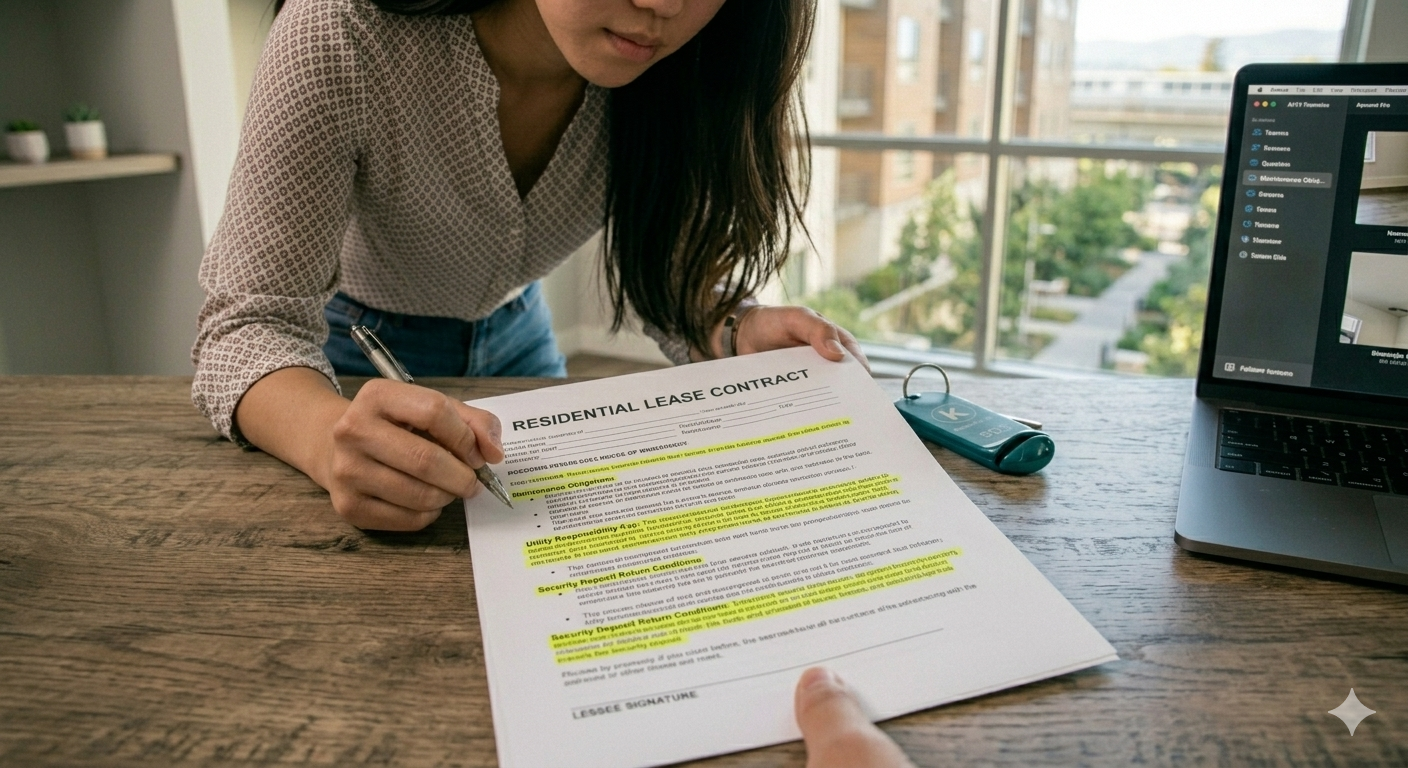
Many costly tenant lease mistakes happen because renters overlook smaller clauses.
Watch For:
- Automatic renewal terms
- Guest restrictions
- Pet fees
- HOA rules
- Parking fees
- Utility responsibilities
- Renters insurance requirements
Bay Area Tip:
Some neighborhoods or properties may have additional local restrictions, especially in HOA-managed communities.
Pro Tip:
If something seems unclear, ask for clarification before signing—not after.
Common Lease Mistakes Renters Should Avoid
Avoid These:
❌ Skimming the agreement
❌ Ignoring fee structures
❌ Forgetting maintenance terms
❌ Missing notice deadlines
❌ Not documenting move-in condition
A careful review now can save you thousands later.
Bay Rentals Helps Renters Make Informed Decisions
Need help understanding rental terms or finding the right property in the Bay Area?
Contact Bay Rentals today for expert rental guidance and smarter leasing decisions.